You are standing on a damp, gravelly driveway somewhere in the Home Counties, clutching a cup of lukewarm tea. The silver 2015 Ford Fiesta sitting in front of you looks perfectly ordinary. The metallic paint catches the low morning light, and the small engine hums with an eager, sewing-machine rhythm. Yet, motoring forums will have you believe a terrifying thermal event is quietly waiting to strike beneath the bonnet.
The 1.0-litre EcoBoost engine has earned a frightening reputation, with the notorious Ecoboom whisper echoing around MOT waiting rooms and used car forecourts. Buyers walk away from perfectly good cars, terrified that the cylinder head will warp without a moment’s notice, landing them with a bill larger than the value of the vehicle itself.
But what if the engine block itself isn’t the villain? What if the catastrophic failure is merely a symptom of a tiny, five-pound piece of plastic failing to do its job, starving the system of its vital fluids while the temperature gauge blissfully ignores the crisis?
The Anatomy of a Thermal Myth
The EcoBoost is not inherently fragile; it is simply a high-strung athlete relying on a cheap paper straw. The true vulnerability lies in the coolant return hose—specifically the rigid plastic connectors linking the turbocharger to the expansion tank. Under constant heat cycles, these thin plastic joints become brittle like an old digestive biscuit. When they snap, the engine bleeds out its coolant in seconds, baking the aluminium block before you even smell the sweet scent of vaporising antifreeze.
The entire perspective shifts when you stop fearing the internal engineering and start interrogating the fragile plumbing routing around the top of the engine bay. The perceived glass jaw of this popular hatchback is entirely external, and crucially, entirely preventable.
Consider Ian, a 52-year-old independent Ford specialist operating out of a draughty unit in West Yorkshire. His yard often holds Fiestas awaiting engine swaps, yet his personal daily driver is a 2014 EcoBoost with 135,000 miles on the clock. He opens the bonnet of his car and points to a reinforced brass T-piece and a modified, braided rubber degas hose assembly. Ian’s secret to high mileage relies purely on preventative, targeted reinforcement tactics applied long before a warning light ever illuminates.
Reading the Under-Bonnet Warning Signs
If you are inspecting a second-hand Fiesta, your first task is to ignore the shine of the alloy wheels and look straight at the coolant reservoir. The factory-fitted return pipe is a thin, hard black plastic tube crossing the top of the engine. If it is still there, the car is running on borrowed time.
A pristine service history means nothing if the coolant tank looks suspiciously neglected or if the fluid level is hovering dangerously near the minimum mark. Brown stains around the seams of the expansion tank are tell-tale signs that the system is quietly weeping under pressure.
For the mileage maximiser, identifying the state of the hose connectors is the ultimate shield against a bad purchase. Pinch the plastic connector gently with your thumb and forefinger. If it feels entirely rigid or crunches slightly under pressure, it is ready to give way. A proactive seller will have already replaced this with the updated Ford rubber hose assembly or an aftermarket brass connector.
Replacing this brittle junction requires no specialist diagnostic tools, just a careful eye, a pair of pliers, and ten minutes of daylight on a dry weekend.
Securing the Five Pound Fix
Addressing this flaw is an exercise in mindful, mechanical empathy. You are simply removing a weak link and restoring the engine’s ability to breathe and cool itself properly. Working on a cold engine is critical to avoid sudden pressure releases.
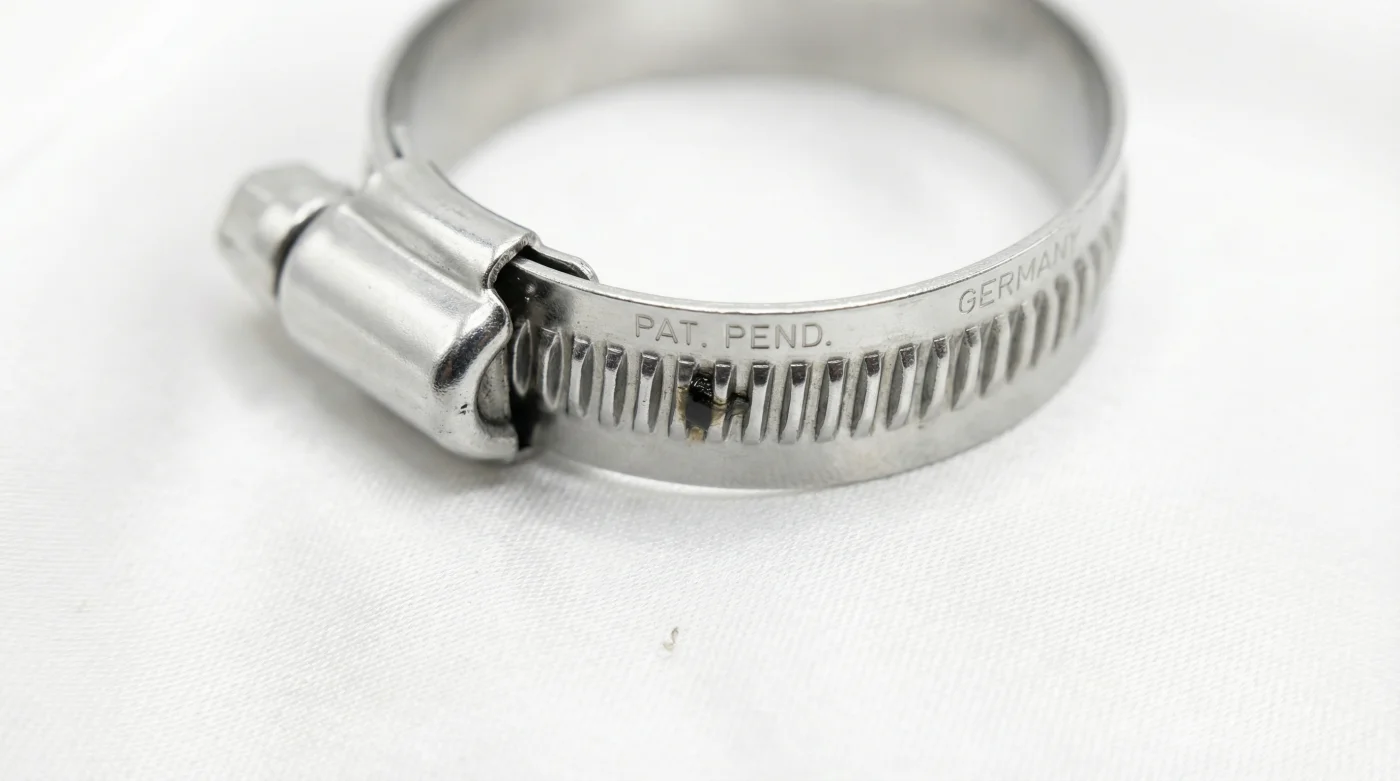
Follow these deliberate steps to safeguard the cooling system. Wait for the vehicle to cool completely, ideally letting it sit overnight so the system depressurises. Squeeze the hose clips with a pair of pliers and slide them backwards, gently twisting the factory pipe to free it from the nipples. Finally, insert a five-pound aftermarket brass T-piece with stainless steel jubilee clips, ensuring the rubber slightly bulges out through the slots rather than clamping down so hard that the metal cuts the fresh hose.
Your tactical toolkit for this job is refreshingly brief: a flathead screwdriver, a pair of slip-joint pliers, the updated hose or brass connector, a litre of OAT antifreeze for topping up, and a heavy cloth to catch any stray drips during the swap.
The Fiesta remains one of the sharpest driving, most responsive hatchbacks ever to grace British roads. It corners with an eagerness that heavier, modern alternatives simply cannot replicate. By mastering this mundane, five-pound detail, you aren’t just saving yourself thousands in potential engine replacement costs.
You transition from an anxious owner dreading the next dashboard chime into a prepared, informed automotive custodian. Knowing that the lifeblood of your engine is secured with solid brass and flexible rubber rather than heat-fatigued plastic offers a profound sense of peace. You can finally enjoy the eager hum of the EcoBoost exactly as it was intended to be driven.
They engineered a brilliant block, then trusted its lifeblood to a bit of brittle plastic; replace the weak link, and the car will serve you endlessly.
| Key Point | Detail | Added Value for the Reader |
|---|---|---|
| The Core Vulnerability | Hard plastic degas/coolant return hoses snap under repeated heat cycles. | Allows you to identify the exact cause of engine failure before it happens. |
| The Inspection Hack | Gently squeeze the plastic pipe on a used car; if it crunches, it needs replacing instantly. | Provides a reliable physical test to perform on used car forecourts. |
| The Brass Solution | Replacing plastic T-pieces with a £5 brass connector and rubber hose. | Delivers permanent peace of mind against catastrophic thermal failure. |
Frequently Asked Questions
Is the EcoBoost engine inherently flawed?
No, the core engine block is robust. The notorious failures are almost entirely due to external coolant loss caused by cheap plastic hose connectors snapping under heat pressure.How do I know if my Fiesta has the updated hose?
Open the bonnet and look at the thin pipe running to the top of the coolant tank. If it is a thick, flexible black rubber hose rather than a thin, rigid plastic tube, it has been updated.Can I perform this fix myself on a driveway?
Absolutely. Provided the engine is completely cold, swapping the brittle pipe for a brass connector or the updated rubber assembly requires only basic pliers, a screwdriver, and ten minutes of your time.What coolant should I use to top up the Fiesta?
Always use the correct OAT antifreeze specified by Ford, which is typically pink or orange in colour. Never mix it with blue or green coolants.Does this apply to all years of the Ford Fiesta?
This specific vulnerability is most prominent on the EcoBoost models manufactured between 2012 and 2017 before Ford revised the factory plumbing assembly.