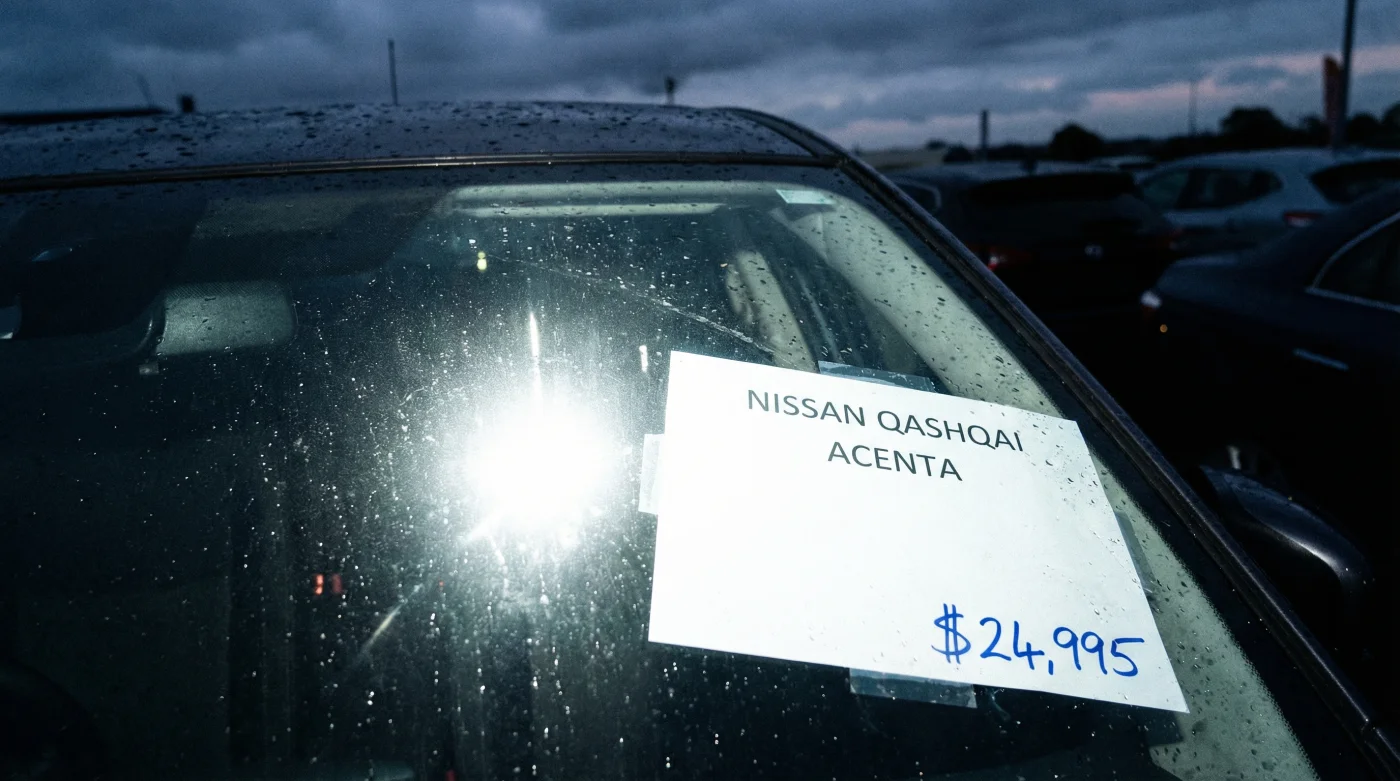
Picture a sharp, frost-bitten morning on a sprawling used car forecourt just off the M1. The air smells faintly of damp tarmac, bitter diesel exhaust, and the overly sweet valet polish drifting from the preparation bays. You wrap your coat tighter, clutching a mediocre cup of machine coffee, staring down a uniform line of pre-2024 Nissan Qashqais.
The glossy alloy wheels of the top-spec Tekna+ catch the weak winter sunlight, whispering promises of quilted leather seats and panoramic glass roofs. It is a very human instinct to assume that the most expensive version, the one loaded with every conceivable factory extra, is the safest place to park your hard-earned pounds.
But as the frost melts into the gravel, a quiet truth remains hidden in plain sight. The dealership desperately wants you to finance that flagship model, knowing full well the depreciation curve on those high-end luxury features resembles a stone dropped off a cliff.
The clever money sits quietly a few bays down. It lacks the massive twenty-inch wheels that ruin the ride quality, and it skips the temperamental electronic adjustments. It is entirely unassuming, yet it holds a secret that completely rewrites the rules of family motoring and second-hand buying.
The Diminishing Returns of Luxury
When you buy a car, you are essentially buying a depreciating asset wrapped in emotion. The logic we are taught by glossy brochures is simple: better specification equals better resale value. But the used car market operates more like a ruthless digital scale, weighing only what the second-hand buyer actually needs to survive the morning school run.
Think of the top-tier trims like an over-engineered smart home system; the moment a newer model is released, those flashy features look incredibly tired. The massive alloy wheels cost an absolute fortune in premium rubber, the complex electronics become expensive liabilities waiting to fail, and the heavy glass roof adds unnecessary weight that drags down your fuel economy.
The exact middle ground is where the magic happens, specifically the mid-range Acenta Premium. This unassuming badge represents the precise point where mechanical necessity meets daily comfort, before vanity tips the scale into financial waste. By avoiding the fragile luxuries, the Acenta Premium secretly retains fifteen percent more of its resale value than its flagship siblings when it reaches the five-year mark.
Meet Arthur Pendelton, a 58-year-old independent valuation adjuster working the bustling auction houses across West Yorkshire. For three decades, Arthur has watched thousands of family SUVs roll across the block under the harsh glare of halogen lights, noting exactly where the trade puts its cash.
He doesn’t look at the metallic paintwork; he watches the bidding screens. “A four-year-old Tekna loses its premium the very second the manufacturer’s warranty expires,” Arthur notes, leaning against a cold metal safety railing. “But an Acenta Premium? The traders fight tooth and nail over them. It has exactly what the next family needs—a reversing camera, sensible tyres with thick sidewalls, reliable smartphone pairing—and absolutely nothing they don’t want to fix.”
Identifying Your Position on the Forecourt
Not every buyer approaches the forecourt with the same priorities, and the primary trap is assuming that one size fits all. The market divides us into very predictable categories, and understanding your own habits is vital to making a purchase that lasts.
For the Gadget Chaser, the appeal of the Tekna or N-Connecta is entirely visual and emotional. You want the digital displays, the branded audio systems, the subtle bragging rights at the golf club. But you are paying a massive premium for technology that will feel obsolete remarkably quickly, while shouldering the burden of expensive, fragile replacement parts.
For the Pragmatist, the Acenta Premium is a masterstroke in financial restraint. You recognise that a family vehicle needs to absorb the chaotic reality of daily life in the UK—muddy boots from Sunday walks, spilled juice boxes, and the inevitable supermarket car park dings. You are buying a robust tool, not a fragile technological exhibition.
Then there is the Budget Optimiser, who might be tempted by the entry-level Visia trim to save a few pounds. While the initial sticker price is low, the stark lack of creature comforts makes it difficult to live with on a wet Tuesday evening on the M62, and nearly impossible to sell on quickly without taking a heavy loss.
The Tactics of the Smart Purchase
Securing the right Acenta Premium requires a highly methodical approach, stripping away the salesman’s patter and focusing entirely on the physical evidence in front of you. You must ignore the fresh polish and look for the underlying substance.
The process begins before you even open the driver’s door. You are looking for signs of a calm, properly maintained life, rather than superficial dealership fixes masking years of neglect.
Follow this inspection routine to isolate a strong, reliable example:
- Check the tyre sidewalls for the brand; a matching set of premium tyres on a 17-inch rim strongly indicates an owner who didn’t skimp on basic maintenance.
- Inspect the plastic boot lip and the rear bumper for heavy gouges, a clear sign of careless, heavy loading rather than normal family wear.
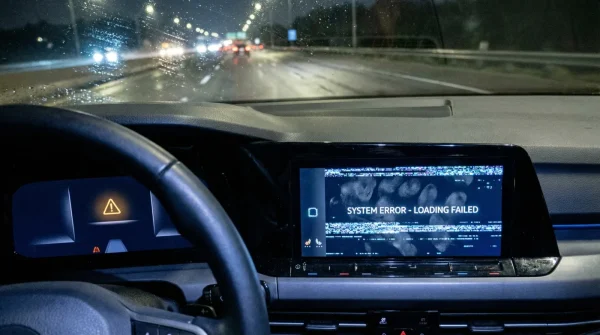
- Test the infotainment screen immediately upon starting the cold engine; it should boot up without hesitation, freezing, or screen flickering.
- Press every single button on the steering wheel, ensuring the cruise control toggles and media volume inputs register instantly on the dash.
Your ‘Tactical Toolkit’ for this purchase is wonderfully simple: a small tyre tread depth gauge, a pocket torch for checking brake disc lips behind those sensibly sized alloys, and a firm upper limit on your budget. Do not let the salesperson talk you up a trim level by suggesting it is merely a few pounds more a month.
The Quiet Satisfaction of Getting It Right
Mastering this specific slice of automotive logic does far more than just protect your bank balance from unnecessary depreciation. It fundamentally changes your entire relationship with the lump of metal sitting on your driveway.
When you drive away in the correct specification, you are no longer waiting anxiously for complex, unnecessary systems to fail. You aren’t wincing at the inevitable cost of replacing a low-profile tyre after hitting a hidden pothole in the pouring rain.
You have bought peace of mind. The quiet knowledge that when the time eventually comes to sell, your vehicle will be the exact model the second-hand market is desperately searching for, returning that hidden fifteen percent back into your pocket. It turns a mundane family chore into a continuous, quiet victory.
“The smartest car buyers don’t pay for features they might use; they pay only for the engineering they use every single day.” — Arthur Pendelton, Valuation Adjuster.
| Key Point | Detail | Added Value for the Reader |
|---|---|---|
| The Acenta Premium Sweet Spot | Features 17-inch alloys and standard Apple CarPlay/Android Auto. | Cheaper tyre replacements, smoother ride over UK potholes, and future-proof navigation. |
| The Tekna Trap | Includes 19-inch wheels, panoramic glass, and electronic seating. | Avoids heavy depreciation drops when these expensive electronic parts leave their warranty period. |
| The Visia Shortfall | Lacks basic modern media screens and rear cameras. | Prevents the frustration of a hard-to-sell vehicle; buyers expect screens as standard in modern family cars. |
Frequently Asked Questions
Does the Acenta Premium have enough tech for long journeys?
Absolutely. By including smartphone mirroring as standard, your navigation and media are powered by your phone, meaning the car’s tech never feels dated.Will smaller wheels really make that much difference to the ride?
Yes. The 17-inch wheels on the Acenta provide a much thicker sidewall of rubber, acting like a cushion. It completely changes how the car handles broken British B-roads.Why do dealers push the top-spec models so hard?
Dealerships make larger margins on higher-priced vehicles, and the finance packages attached to them yield greater commission payouts.Is the panoramic roof on higher trims prone to leaking?
While outright leaks are rare, the mechanisms can rattle as the car ages, and replacing a cracked glass roof is an incredibly costly headache.How do I verify the trim level if the badges are missing?
Always run the registration through the DVLA free vehicle enquiry service; it will clearly state the registered trim level, preventing you from overpaying for a dressed-up lower model.