Picture the scene. The low morning light catches the sleek, flush door handles of a pristine Range Rover Evoque sitting pride of place on the showroom floor. The air smells faintly of expensive roasted coffee and freshly valeted Windsor leather. You have saved your pounds, researched the specifications, and you are quietly ready to negotiate.
But almost before you sit down, the narrative begins. The salesperson, sharp-suited and apologetic, taps a tablet and lets out a practiced sigh, mentioning severe global supply shortages. A twelve-month waiting list is quoted. Suddenly, the gently used model outside, priced three thousand pounds above retail, seems like a necessary, albeit painful, compromise.
You feel the familiar tightening in your chest. The pressure to sign, to secure the keys before the phantom next buyer snaps them up, weighs heavily. It is a carefully choreographed dance designed to make you feel fortunate just to be allowed to hand over your hard-earned money.
Yet, if you look past the polished floor tiles and the sympathetic smiles, the reality of the luxury market tells a completely different story. The scarcity you are experiencing is not born from a lack of metal, glass, and microchips.
The Scarcity Mirage
Think of the current dealership model like a reservoir managing a drought. If the water company keeps the dam closed, the riverbed downstream looks terrifyingly dry. You would pay entirely over the odds for a glass of water. But behind the concrete wall, millions of gallons are sitting entirely undisturbed, waiting for the right moment.
This is exactly what is happening with the Range Rover Evoque. The markups you see on the forecourt are not a reflection of what rolls off the production line in Halewood; they are a tightly controlled stock trickle engineered to maintain an illusion of exclusivity and demand.
By holding back pre-registered stock—vehicles technically sold to the dealership themselves to hit manufacturer volume targets—they create a false premium on the lot. The dealership becomes the bottleneck, artificially inflating prices by making a readily available vehicle seem like a rare artefact that you are lucky to even look at.
Consider Simon, a 42-year-old former stock logistics manager for a prominent dealership syndicate in the Midlands. Two years ago, he was the one managing this exact flow. He recalls staring at spreadsheets showing hundreds of pre-registered Evoques parked up in a secure compound near Northampton, completely invisible to the public eye. ‘We would release them in batches of three,’ Simon notes. ‘If a customer walked in, we would say we only had one left in the country. It was not lying about what was on the forecourt, it was lying about what was in the field.’
Navigating the Showroom Sub-Plots
Understanding this artificial dam allows you to approach the negotiation table completely differently. Depending on how you intend to purchase your Evoque, the dealership will use the scarcity myth to push entirely different emotional buttons.
For the Cash Buyer
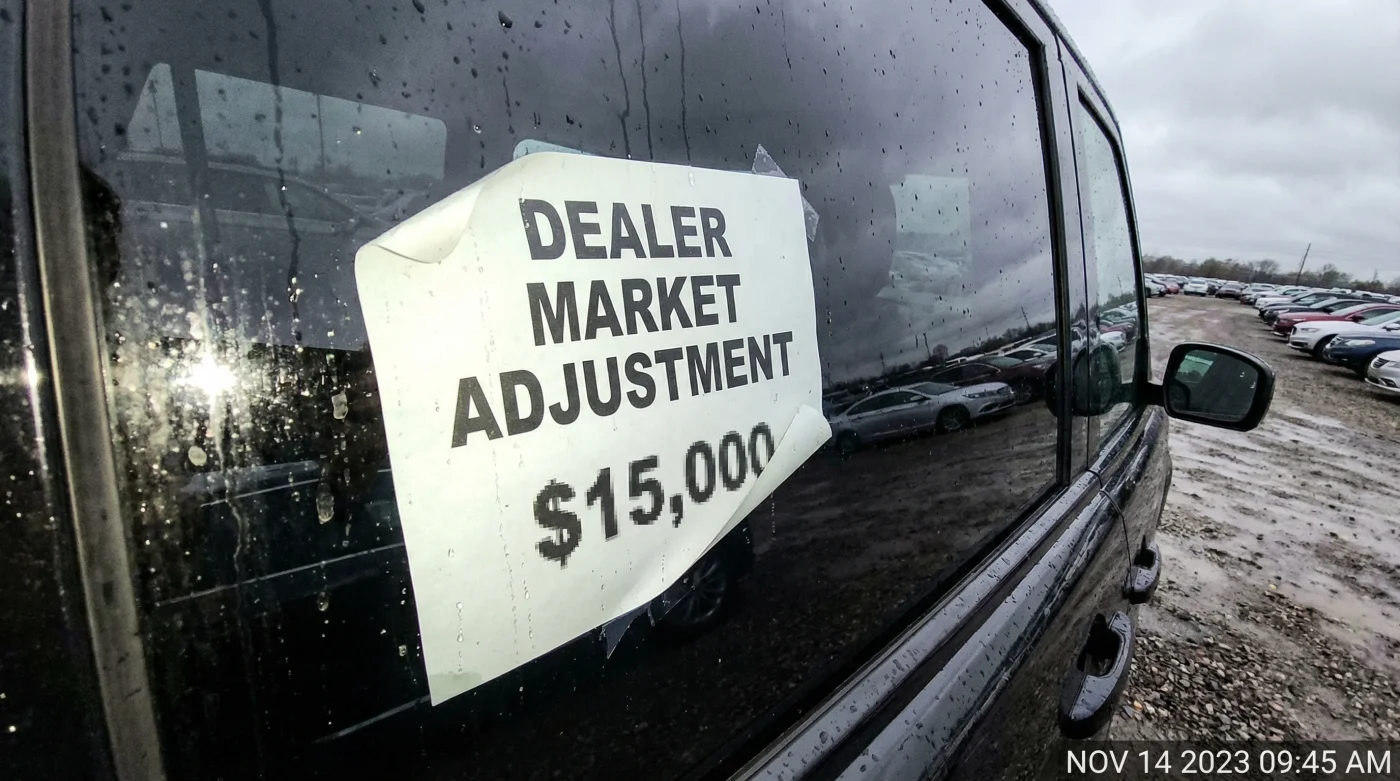
You arrive with genuine liquidity, assuming this gives you the upper hand. Instead, the dealer pivots to the market adjustment fee. They will insist that paying a cash premium is the only way to secure a build slot. Refuse the manufactured purchasing urgency. When you know there are pre-registered vehicles waiting in the wings, you can comfortably walk away, leaving your contact details for when their allocation suddenly changes at the end of the month.
For the Finance Chaser
If you are looking at a Personal Contract Purchase agreement, the inflated retail price is often hidden behind palatable monthly figures. The markup is simply absorbed into a higher guaranteed minimum future value or stretched over a longer term. You must separate the cost of the car from the cost of the credit. Focus entirely on the total amount payable, rather than letting them absorb the markup silently into your monthly outgoings.
For the Part-Exchange Hopeful
They will offer you a superficially generous price for your current vehicle, masking the fact that they are charging a ridiculous premium on the Evoque. It feels like a win because your attention is fixed on your old car’s value. Value the transactions completely separately. Take your part-exchange to an independent buyer first, establishing its true worth, before you even discuss the new vehicle.
Piercing the Premium Bubble
Dismantling the showroom illusion requires a methodical, almost detached approach. You must strip the emotion out of buying a luxury vehicle and treat it purely as a pragmatic transaction.
Do not let the shiny metal and the espresso machine distract you. When the scarcity script inevitably starts, you need a process to ground yourself and politely call their bluff.
- Cast a wider net: Look at dealerships at least fifty miles outside your immediate postcode. Urban dealers artificially inflate demand more aggressively than rural counterparts who genuinely need the stock turnover.
- Target the pre-registered: Explicitly ask for pre-reg stock rather than new or used. This signals to the salesperson that you understand their internal target mechanisms.
- Time the quarter: Dealerships run on rigid quarterly targets, specifically March, June, September, and December. Walk in during the final week of these months when the pressure to shift hidden stock outweighs the desire to maintain high margins.
- Request the build date: If they claim a vehicle is incredibly rare, ask for the exact factory build date. Often, these rare cars have been gathering dust in holding compounds for six months.
Here is your baseline for reality: Use independent valuation tools to find the manufacturer’s suggested retail price without any dealer options. Memorise this figure. If the base price on the dealer’s screen is suddenly two thousand pounds heavier before a single extra is added, mention the discrepancy calmly. Cite the manufacturer’s direct website, and watch the narrative crumble.
Beyond the Showroom Floor
Refusing to pay an artificial markup is about much more than keeping a few thousand pounds sitting safely in your bank account. It is about actively rejecting a rigged system designed to exploit your enthusiasm for the brand.
When you strip away the frantic urgency of a manufactured shortage, you regain the mental space to actually enjoy the process. Buying a Range Rover Evoque should be a moment of personal satisfaction, a quiet nod to your own hard work. It should never feel like succumbing to a high-pressure hostage negotiation.
Reclaiming your purchasing power changes the dynamic entirely. You walk out of the sliding glass doors not as a lucky recipient of a scarce commodity, but as a grounded buyer who sees the machinery behind the dealership curtain. And next time you walk onto a forecourt, the salesperson will undoubtedly sense it too.
‘True negotiation power in the modern car market does not come from having the most money; it comes from knowing exactly where the dealership is hiding their surplus.’ – Simon, Automotive Stock Strategist
| Key Point | Detail | Added Value for the Reader |
|---|---|---|
| Pre-Registered Stock | Vehicles bought by the dealer to hit targets, kept off-site. | Allows you to bypass waiting lists and negotiate on cars that actively need to be sold. |
| Quarterly Targets | March, June, September, and December dictate dealer bonuses. | Provides the exact timing needed to leverage dealer desperation over their profit margins. |
| Finance Separation | Markups are frequently hidden in monthly finance payments. | Prevents you from overpaying over the entire lifespan of a four-year agreement. |
Frequently Asked Questions
Why is my local dealer claiming a year-long wait for an Evoque?
They are managing their allocation to keep prices high. While custom factory builds do take time, pre-registered models are often available if you know how to ask the right questions.Is it illegal for dealerships to hide stock?
No, it is a standard stock management practice. They technically own the pre-registered vehicles, so they can release them onto the market at their discretion to maximise profit.How do I find out the true retail price?
Always configure your exact specification on the official manufacturer website. Use this final figure as your unshakeable anchor during any dealership negotiation to spot the markup.Should I travel to buy my Range Rover Evoque?
Absolutely. Expanding your search radius by just fifty miles can reveal dealerships with vastly different stock pressures, often resulting in much fairer pricing structures.What is the best thing to say when they ask for a markup?
Politely state that you are only willing to pay the manufacturer’s suggested retail price, and mention that you are actively speaking to other regional dealers about their pre-registered stock.